IKONA WMA / SERENGETI DISTRICT, TANZANIA
The Serengeti's western edge, kept by five villages.
242.3 square kilometres of migration corridor, co-managed by the communities who live beside it since 2003.
A working landscape, not a fence.
Ikona sits on the western boundary of Serengeti National Park, where the Great Migration crosses village land. In 2003, five villages set aside 242.3 square kilometres for wildlife, creating a buffer for the park and a source of revenue for the people around it.
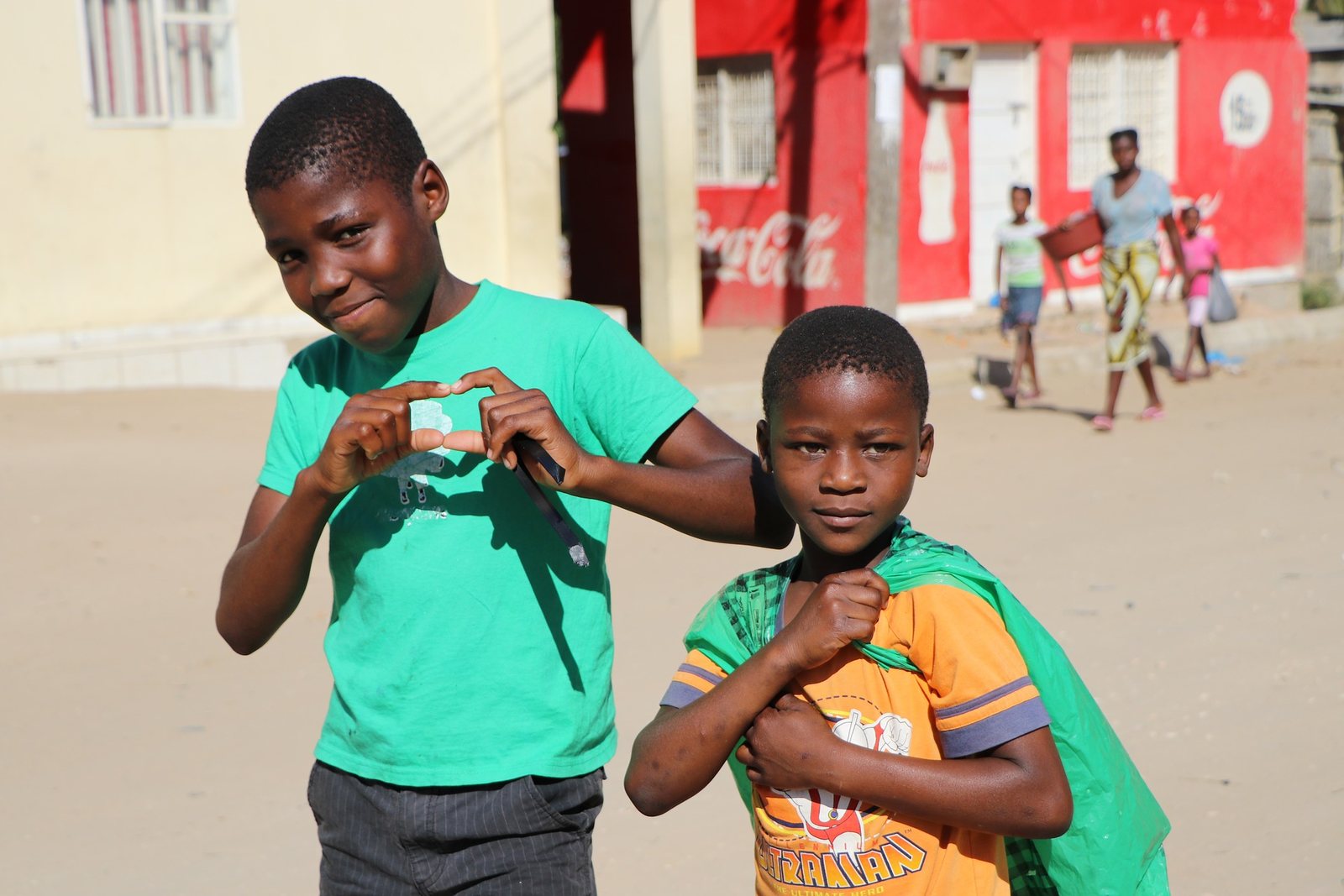
The area is managed by the Ikona WMA association with investors who run camps and hunting blocks. Revenue pays for schools, teachers houses, a dispensary and water points, and employs local game scouts.
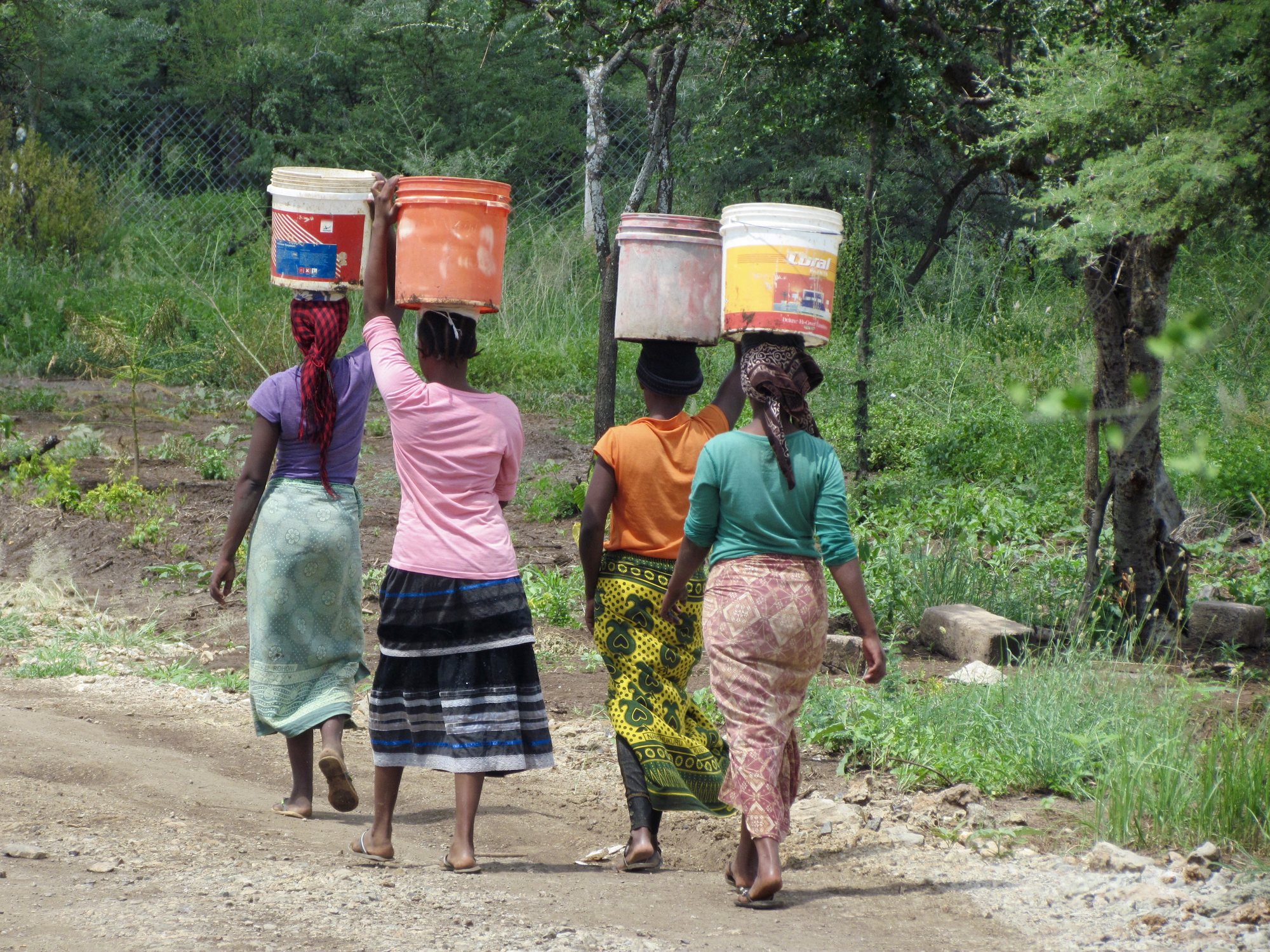
Water collection in a member village.
Three responsibilities, one landscape.
The WMA is not a single project. It is a land-use agreement that has to work for wildlife, for farmers and for the villages that host both.
Conservation
Village game scouts patrol the area, record wildlife and intercept poachers. Their work protects the herds and the farms and livestock at the edge of the bush.
Community development
Revenue from tourism and hunting concessions funds classrooms, teachers houses, a dispensary and water points across the five villages.
Tourism
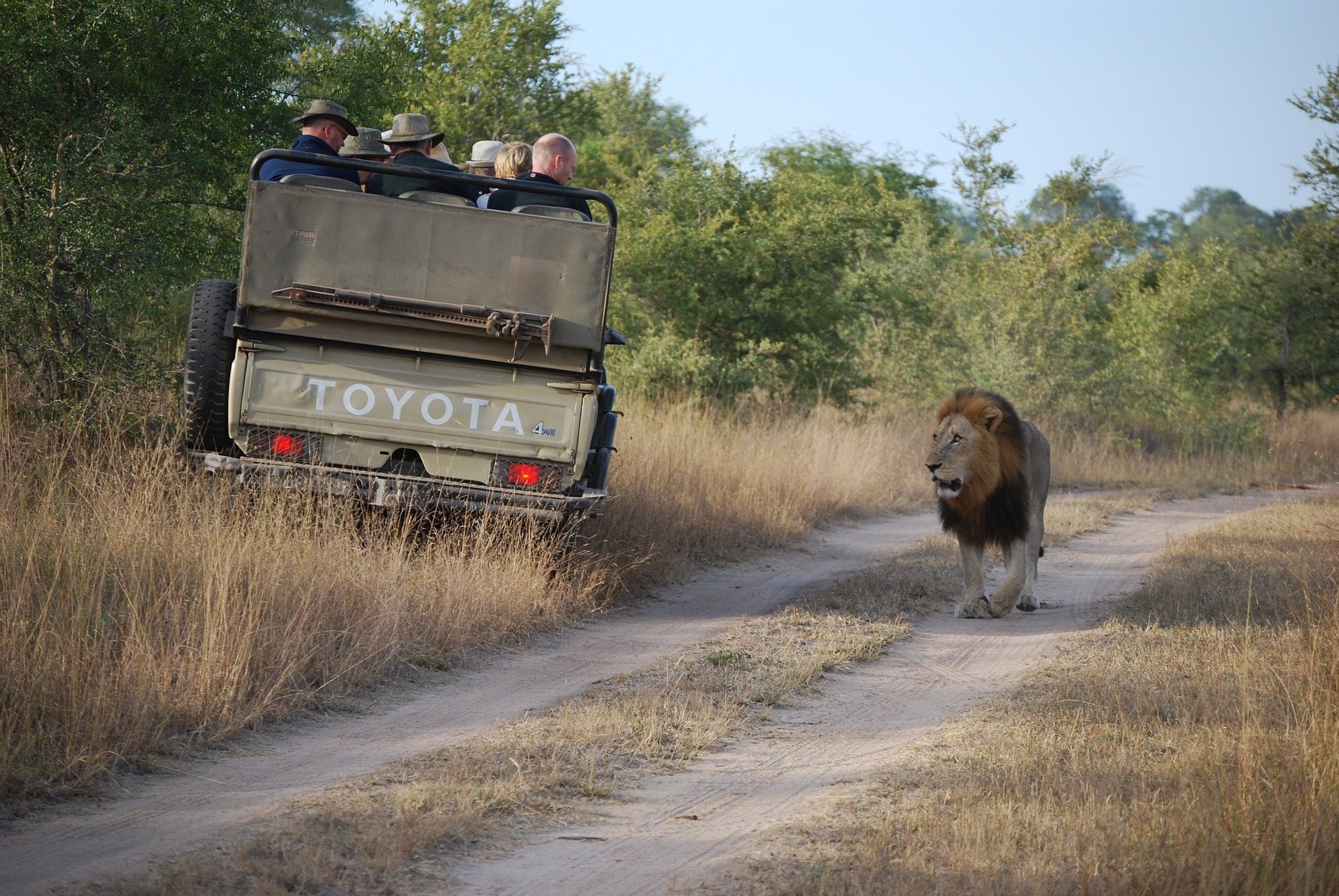
Camps and lodges inside the WMA sit on the migration route. Visitors fund conservation directly through bed nights and concession fees.
The thin green line.
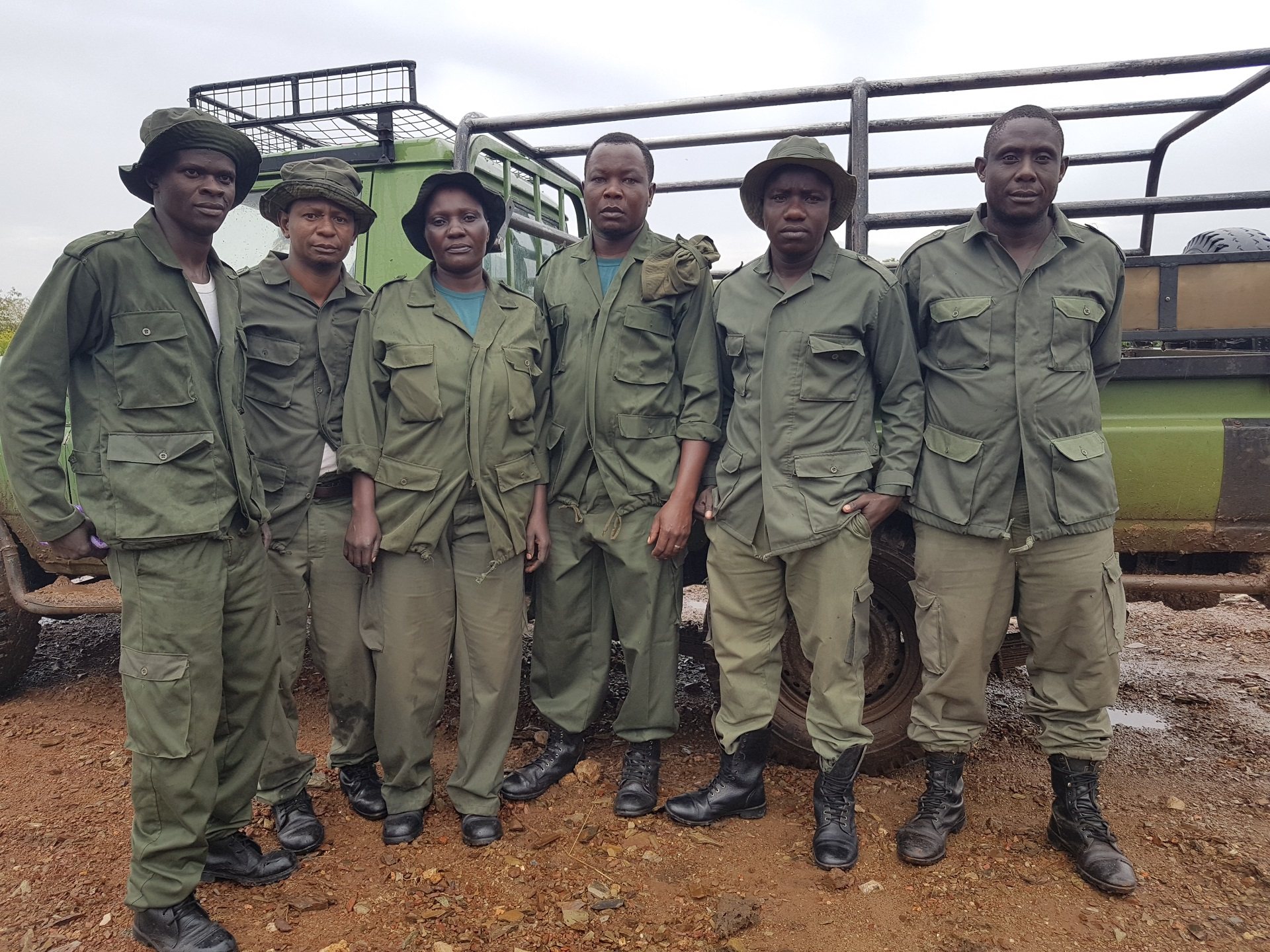
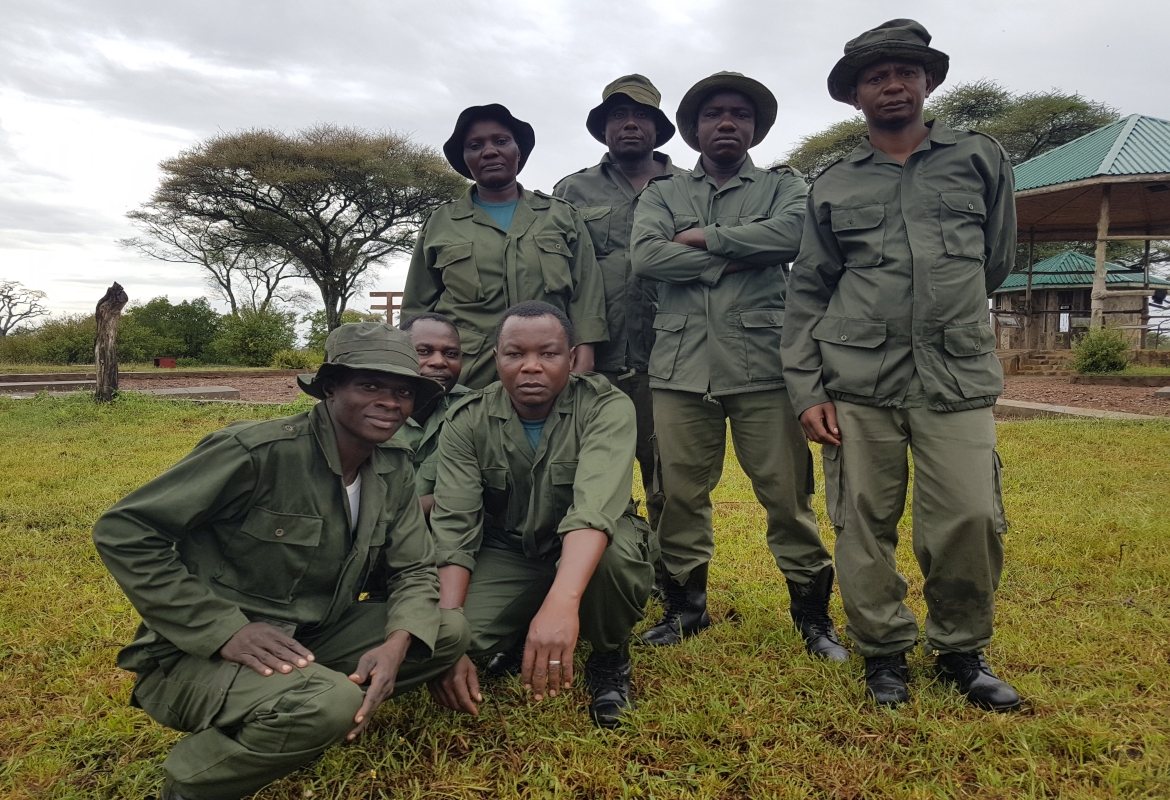
Twenty-four village game scouts, two of them women, patrol 242.3 square kilometres on foot and by vehicle. They are recruited from the member villages, which means they know the land, the people and the routes.
Two camps support the work: Twiga in the photographic area to the east, and Kongoni in the western hunting block.
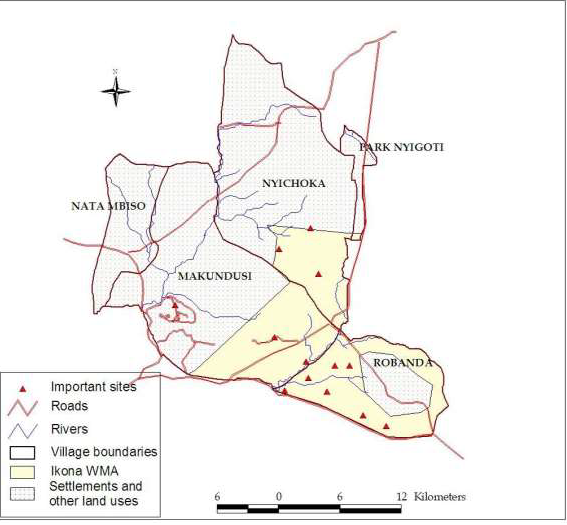
Ikona WMA and neighbouring protected areas.
Between the park and the villages.
Ikona borders Serengeti National Park to the south and south-east, and Grumeti and Ikorongo game reserves to the south-west. The WMA forms part of the buffer that keeps the migration corridor open.
Robanda · Nyichoka · Nattambiso · Makundusi · Park Nyigoti
The five member villages of the Ikona WMA association.
Travel that pays for conservation.
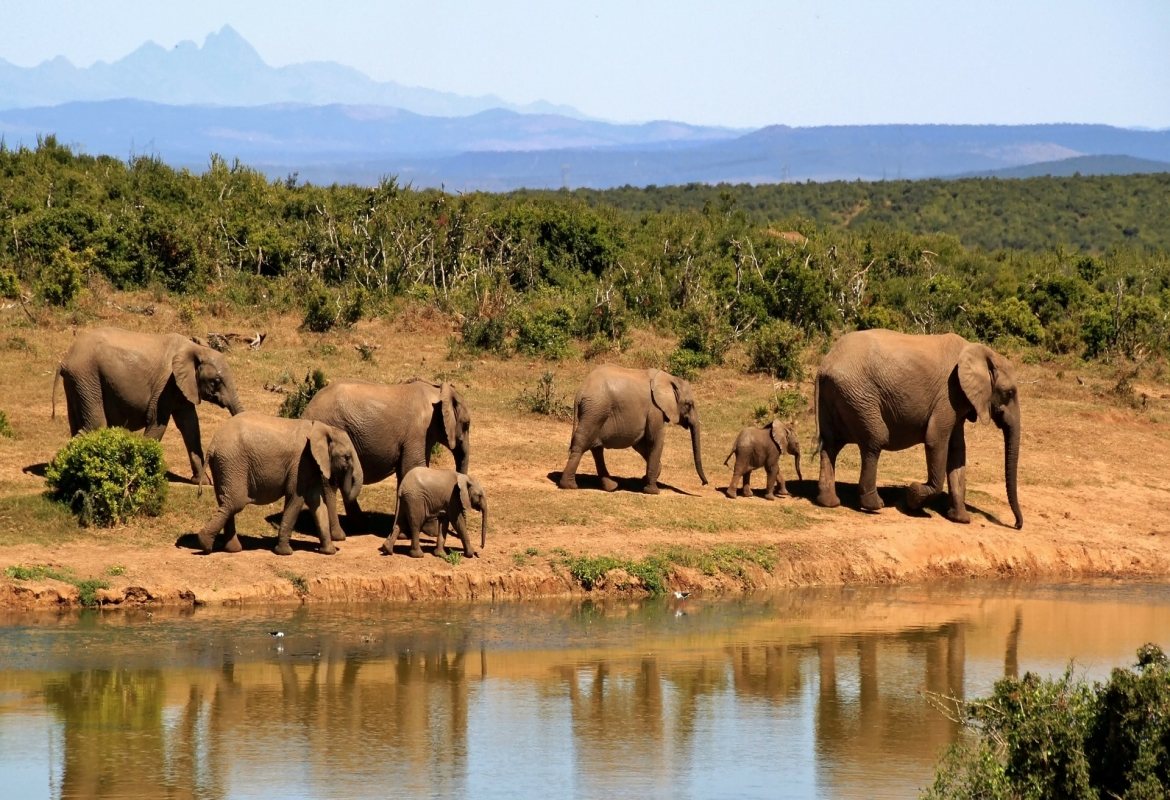
More than one million wildebeest and 200,000 zebra pass through Ikona each year. Tourism contributes about 38% of gross income in the area, and the camps inside the WMA are operated by partners who share revenue with the association.
Moivaro Lodges and Tented Camps
The scouts who keep the line
Twenty-four local scouts patrol the buffer between the park and the farms.
Water for the dry season
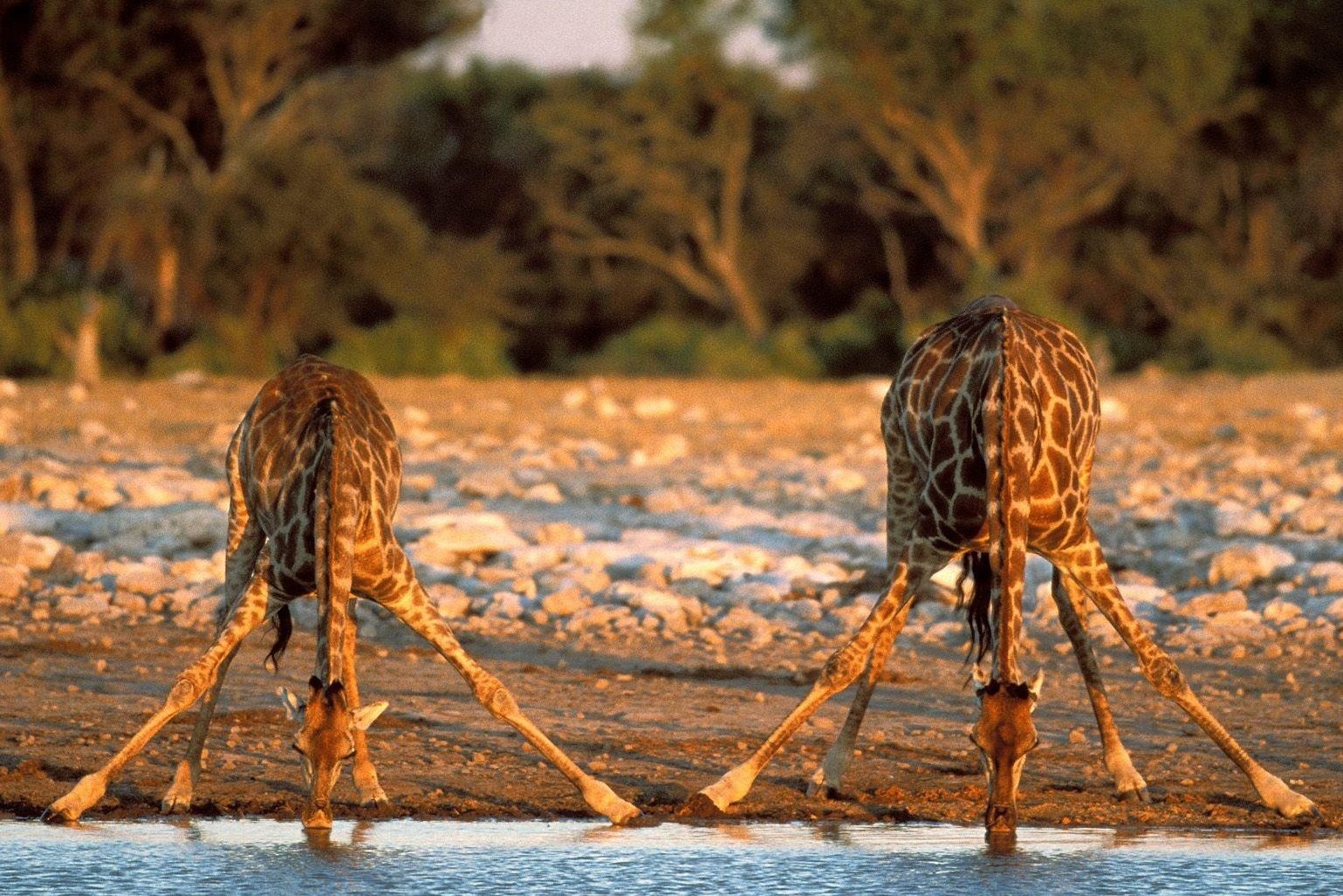
Boreholes and dams keep wildlife and livestock alive through the long dry months.
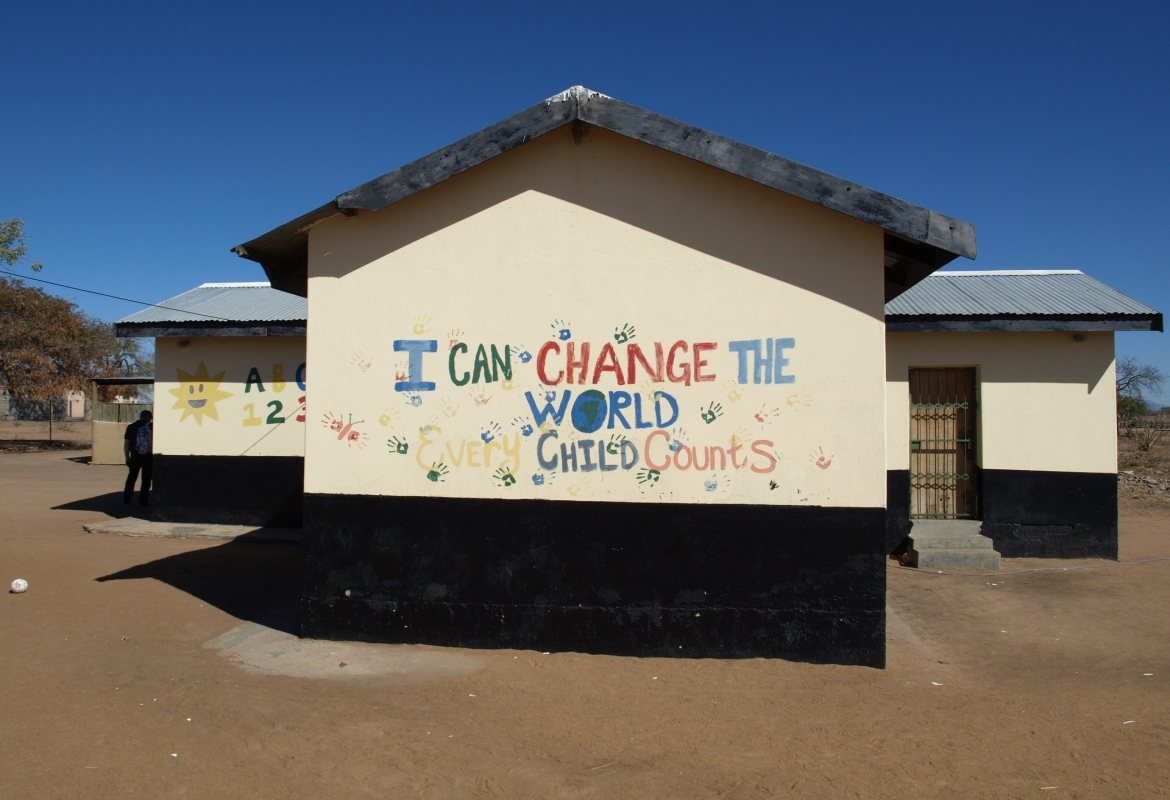
A classroom at the edge of the park
How school construction changed daily life in the member villages.
Come and see the work.
Ikona is a working landscape, not a visitor attraction. If you are planning a safari, a partnership or a research visit, start with a conversation.