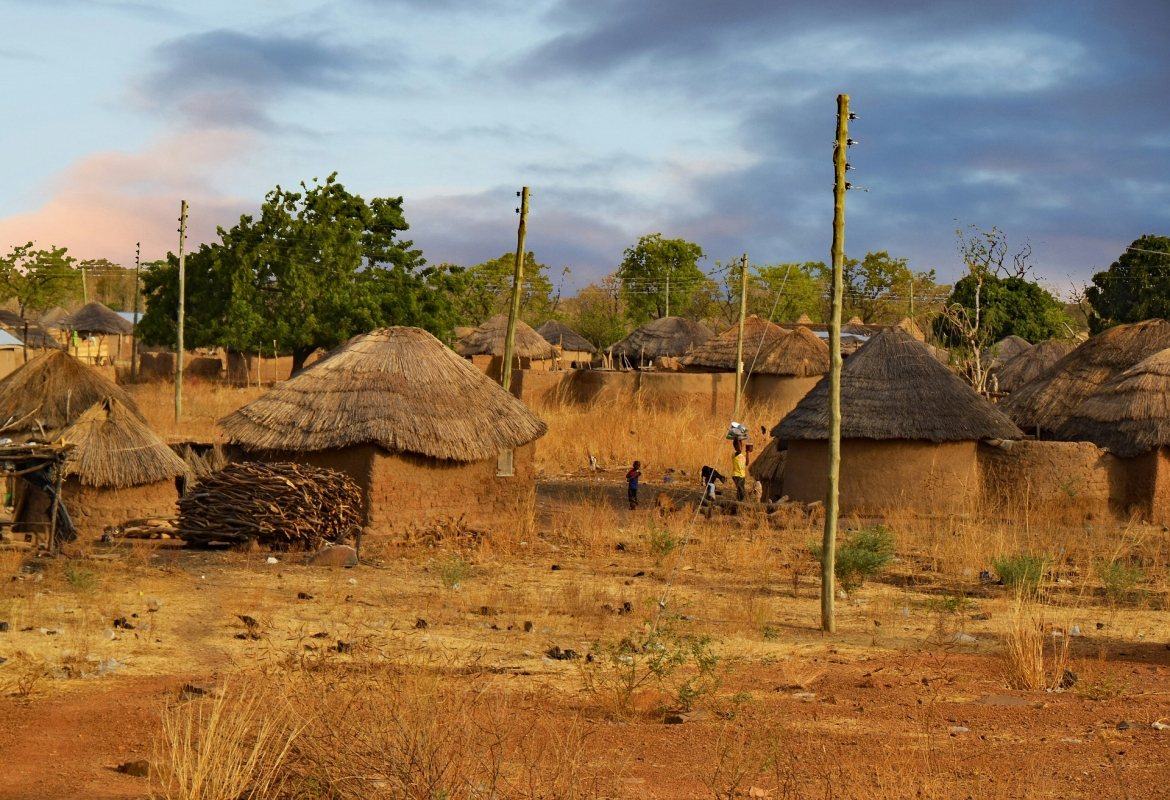
A wildlife area on the western edge of Serengeti.
Ikona is one of Tanzania’s earliest community wildlife management areas, established in 2003 by five villages in Serengeti District.
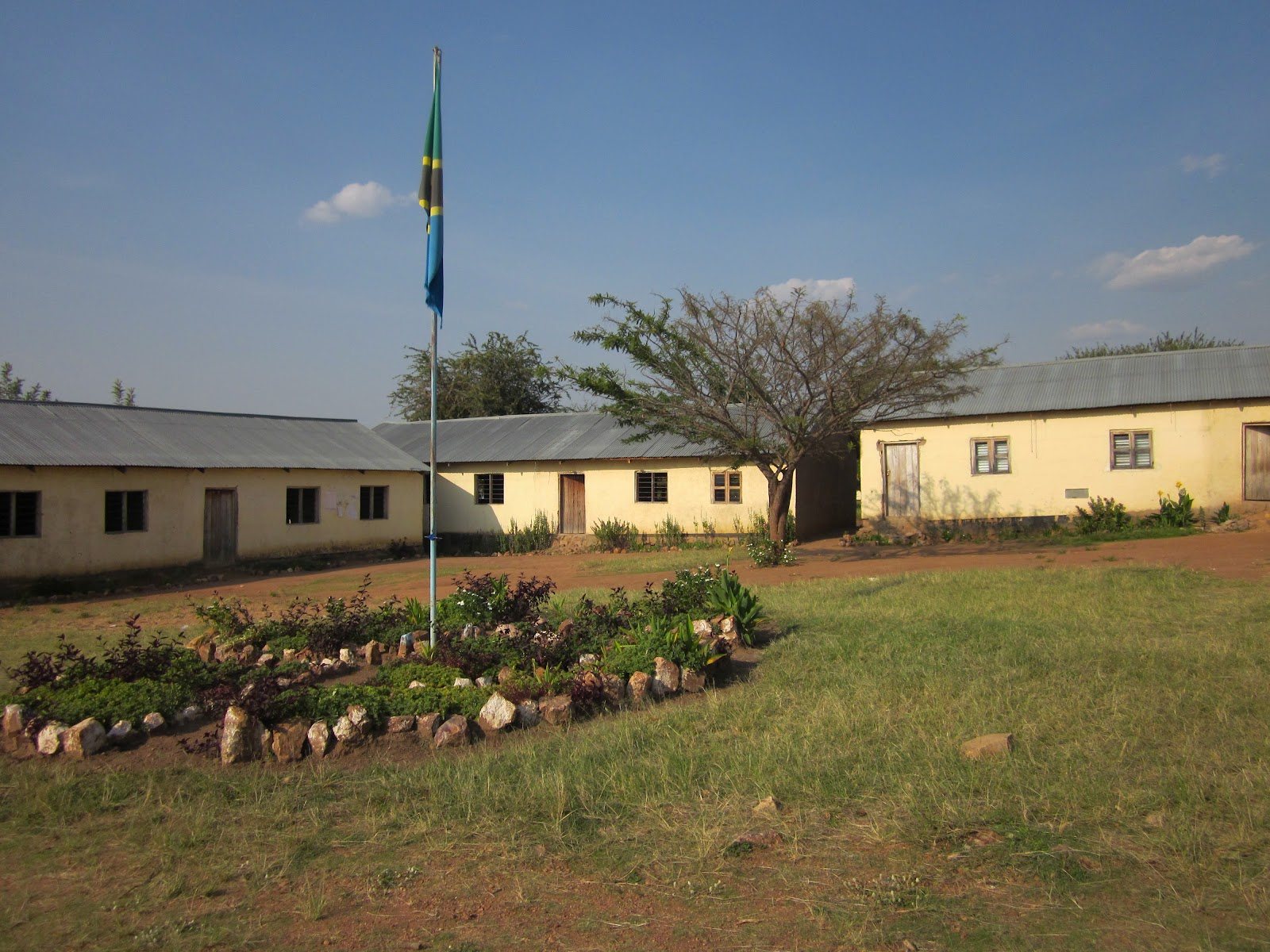
A school in one of the member villages.
Land set aside by the villages that live on it.
Ikona Wildlife Management Area covers 242.3 square kilometres in Serengeti District, Mara Region. It borders Serengeti National Park to the south and south-east, and Grumeti and Ikorongo game reserves to the south-west.
The WMA was established in 2003, five years after the government began implementing community wildlife management areas across Tanzania. The land is village land, set aside by the five member villages for conservation and managed by the Ikona WMA association.
How a wildlife management area works.
A WMA is a land-use agreement, not a national park. The villages keep ownership. The association manages the wildlife and the revenue.
Land is set aside
Village assemblies agree to set aside land for wildlife. The land remains village land, and the agreement is made by the people who use it.
An association manages it
The WMA association holds the user rights and works with investors who run camps and hunting blocks inside the area.
Revenue returns
A share of tourism and hunting revenue is returned to the villages for schools, health, water and local jobs.
Serengeti National Park is established, changing how communities around the park use land and wildlife.
The Arusha Declaration. Ujamaa villages are formed, including Makundusi, which later becomes a member of Ikona.
Tanzania begins implementing community wildlife management areas.
Five villages establish Ikona Wildlife Management Area.
24 village game scouts, two camps, schools, a dispensary and water points across the member villages.
Five villages, one association.
The WMA is made up of five villages in Serengeti District. Each has representatives in the association, and each receives a share of the revenue.
Makundusi is the most populated member village. It sits in Natta Ward, near the concession areas operated by Singita Grumeti Reserves. The village was established after the 1967 Arusha Declaration.
See the work for yourself.
Conservation, community development and tourism meet in the same 242.3 square kilometres. This is how the agreement works on the ground.