Three kinds of work, one landscape.
Conservation, community development and tourism are not separate programmes here. They depend on the same land, the same agreement and the same revenue.
One agreement, three outcomes.
The WMA exists because five villages agreed to set land aside. Everything else follows from that decision: patrols, schools, clinics, camps and the revenue that pays for them.
Patrols, water and a corridor for wildlife.
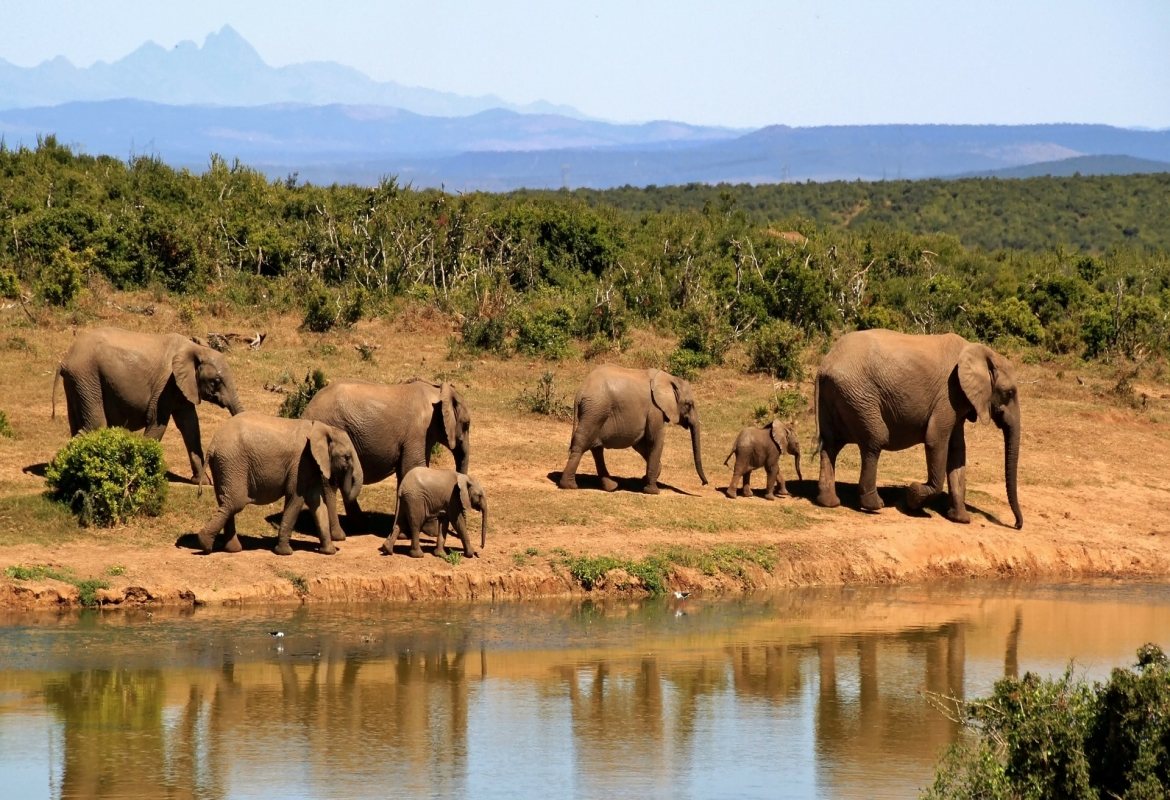
Twenty-four village game scouts patrol the WMA from two camps. Boreholes and dams keep water in the dry season, and the land between the park and the villages stays open for the migration.
Schools, clinics and water points.
Revenue from the WMA funds classrooms, teachers houses, a dispensary and water points across the member villages.
Camps on the migration route.
Investors run camps and hunting blocks inside the WMA and share revenue with the association.
The scouts
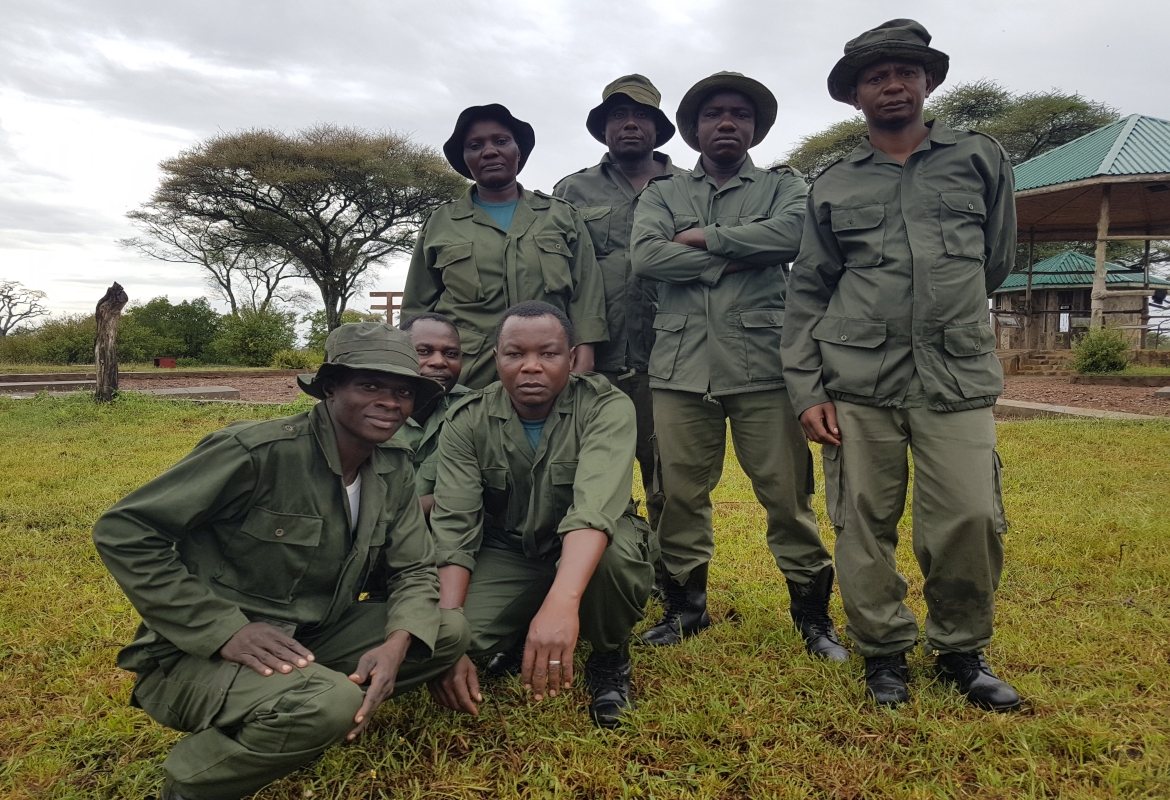
Who patrols the WMA, where the camps are, and how the work is organised.
The villages
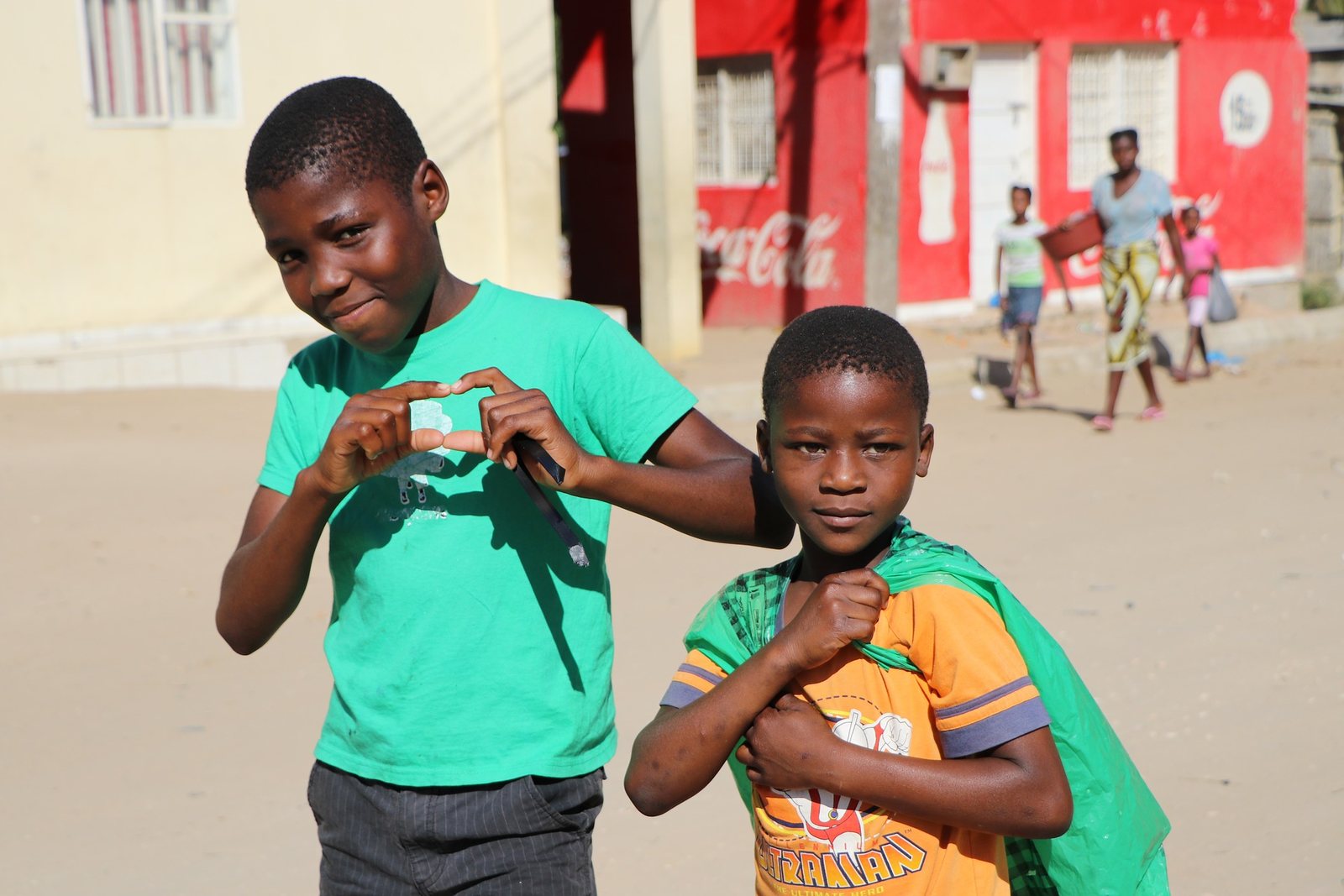
Schools, teachers houses, health care and water points funded by the WMA.
The visitors
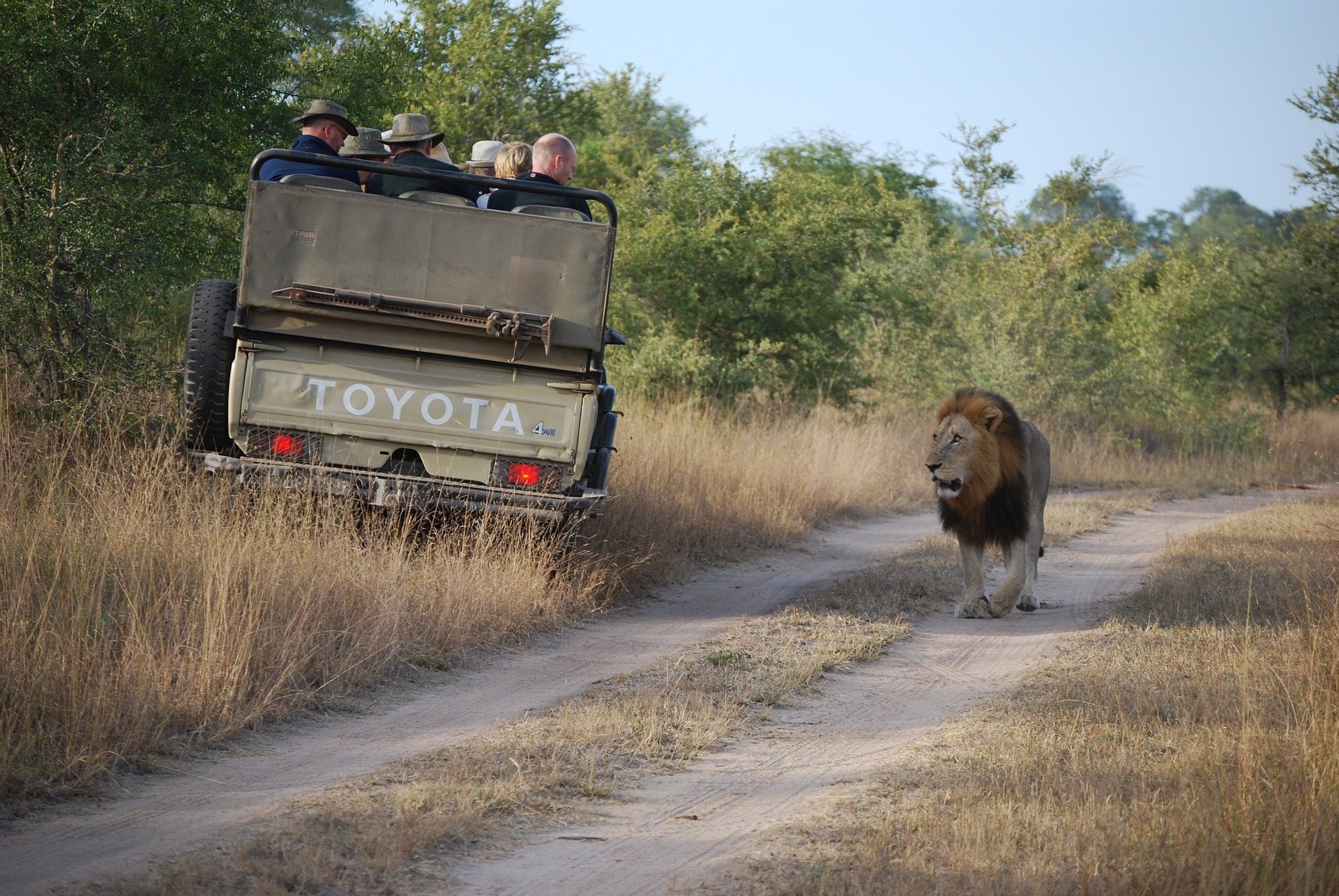
The camps, the migration and the partners who operate inside Ikona.
Work with the WMA.
If you are a safari operator, a researcher or a community organisation, the place to start is a conversation with the association.